
The hidden cost of a quiet event calendar
Most event teams recognize the moment right away. The calendar opens up, the next flagship isn’t in sight, and suddenly it feels like everything has slowed down.
There’s no major event coming up. Budgets are still being finalized. The roadmap feels less defined than it did just a few months ago.
It can feel like a natural pause. A chance to regroup before the next big initiative takes shape.
In practice, these quieter stretches tend to have a wider impact than expected.
Event programs today are expected to contribute to engagement, pipeline, and customer relationships on an ongoing basis. When activity slows, that consistency becomes harder to maintain. Fewer touchpoints lead to fewer conversations, and over time, that can translate into missed opportunities that are difficult to recover later.
That’s why more teams are rethinking how they approach these periods. Instead of stepping back, they’re finding ways to stay active and connected, even without a large event anchoring their strategy.
Why quieter periods create real gaps in performance
The downstream impact across marketing and sales
When event activity drops off, the effects rarely stay contained within the events team.
You typically start to see:
- Engagement tapering off as audiences hear from you less frequently
- Pipeline becoming harder to predict without consistent interaction points
- Fewer meaningful touchpoints for sales with key accounts
- Gaps in first-party data collection and audience insight
These shifts don’t always happen all at once, but they build over time and can slow overall momentum across the business.
Recent event industry trends show that event programs are increasingly expected to support a continuous go-to-market motion. That makes consistency just as important as scale.
Many teams start to feel the limits of their existing event management software at this stage, especially when trying to maintain engagement without the structure of a large, anchor event.
How leading teams maintain momentum year-round
Building a steady rhythm of engagement
Teams that perform well in this environment tend to approach events differently.
Instead of concentrating activity around a few key moments, they create a steady rhythm of engagement across the year. That often includes smaller, more targeted formats that can be deployed more frequently and aligned to specific audiences or goals.
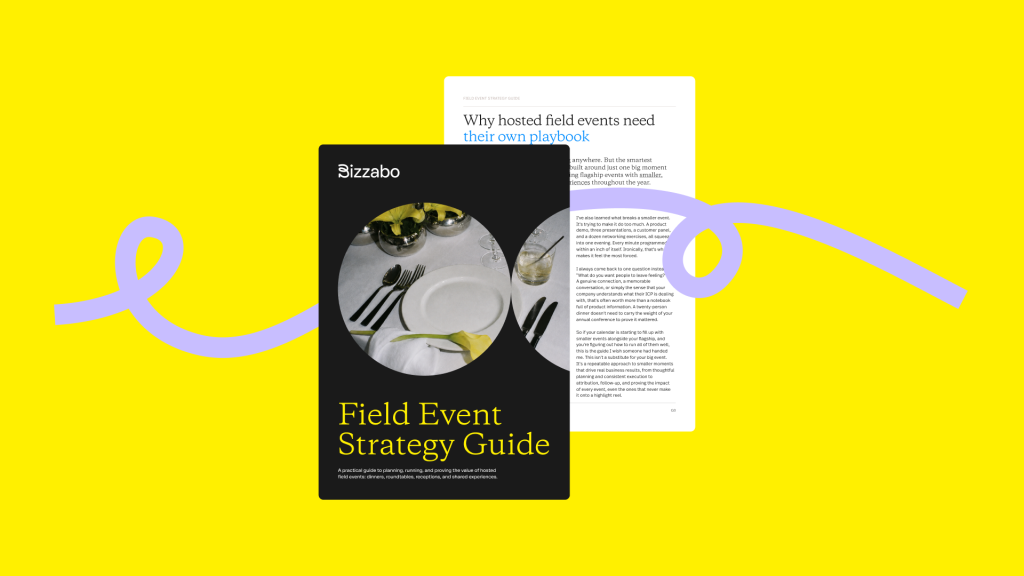
You’ll often see teams leaning into formats like executive dinners, customer roundtables, and smaller in-person gatherings that allow for more focused interaction. Many also incorporate lightweight virtual experiences to stay connected with broader audiences without adding unnecessary complexity.
What stands out is how these events are positioned. They’re not treated as secondary or optional. They’re a core part of how teams sustain engagement, build relationships, and support pipeline over time.
An always-on event program reflects this approach. It treats events as a continuous engagement channel rather than concentrating activity around a few major moments in the year.
This way of working aligns closely with a modern field marketing strategy, where consistent, targeted engagement tends to deliver stronger outcomes. It also reflects how teams are scaling field marketing events as part of a broader, more connected program.
For a practical example, you can see how teams scale and customize their event programs by building repeatable formats that work across different audiences and regions.
The real challenge is operational, not strategic
Why execution becomes the bottleneck
Most teams already understand the value of staying active between major events.
The challenge tends to come down to execution.
As programs expand, teams often run into:
- Difficulty launching events quickly without starting from scratch
- A lack of reusable templates and standardized workflows
- Manual processes that slow down setup and increase risk
- Inconsistent execution across teams, regions, or event types
- Fragmented reporting that makes it hard to see overall performance
These challenges become more noticeable as the number of events increases. What starts as a strong strategy can become difficult to sustain without the right structure behind it.
Insights from our recent report on event program benchmarks show that more mature programs rely on repeatable frameworks and centralized systems to maintain consistency at scale.
How Bizzabo supports always-on event programs
Creating structure without adding complexity
Maintaining a consistent event presence throughout the year depends on having systems that support both speed and scale.
Bizzabo is designed to help teams manage a full portfolio of events, from large flagship experiences to smaller, more frequent touchpoints. This makes it easier to stay active even during periods that might otherwise feel quiet.
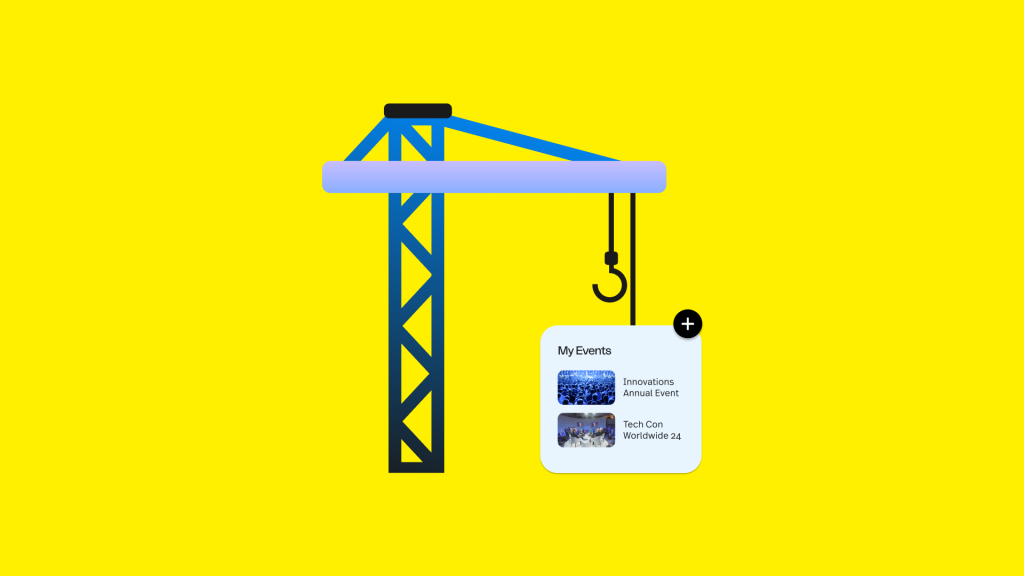
With dedicated field marketing events software, teams can build repeatable frameworks for different event types, reuse templates and communication flows, and launch events more quickly without having to rebuild everything each time.
A unified event management software platform brings everything into one place. Registration, communication, and attendee engagement can all be managed within the same system, which simplifies operations and reduces reliance on multiple tools.
Gaining visibility across the full program
This centralization becomes especially valuable when looking at performance.
Instead of evaluating events in isolation, teams can track engagement across their entire portfolio, identify which formats are driving the strongest results, and better understand how event activity contributes to pipeline and revenue.
Many enterprise teams are already shifting in this direction, building portfolios of smaller, repeatable events that run continuously alongside larger moments.
How leading teams execute always-on programs with Bizzabo
Turning strategy into repeatable execution
Making the shift to always-on events requires more than a change in mindset. It depends on having a clear and repeatable way to execute across every event, regardless of size.
Teams that do this well tend to follow a structured approach.
They start by defining a set of core event formats aligned to their business goals, such as executive dinners, regional meetups, or virtual briefings. From there, they build reusable templates for each format, including registration flows, communications, and attendee experiences.
Once that foundation is in place, execution becomes far more efficient.
Instead of starting from scratch each time, teams can duplicate and adapt existing frameworks to launch new events quickly. This allows them to maintain consistency across regions while still tailoring experiences to specific audiences.
Bizzabo supports this model by keeping everything within a single system. Teams can manage registration, communication, and engagement in one place, while also capturing data across every event.
Over time, this creates a connected view of the entire program. Teams can see which event types perform best, understand how audiences engage across formats, and make more informed decisions about where to focus.
This is what allows always-on strategies to scale effectively. It’s not just about running more events, but about running them in a way that is structured, measurable, and sustainable.
Building an event program that doesn’t pause
from isolated events to continuous engagement
Event strategies continue to evolve as expectations shift and new ways of engaging audiences emerge.
A more distributed mix of events is becoming standard, with teams balancing larger experiences alongside smaller, ongoing touchpoints. That mix creates more opportunities to connect while also requiring a more intentional approach to execution.
Programs that maintain consistent engagement tend to build stronger relationships over time. They generate more reliable insights, stay aligned with revenue goals, and create a clearer picture of what is driving impact.
An always-on approach doesn’t depend on constant large-scale investment. It depends on the ability to run the right events at the right moments, supported by systems that make execution easier.
For teams rethinking how to approach quieter periods, this often becomes the key shift. Instead of waiting for the next major initiative, they focus on sustaining engagement through a series of smaller, purposeful interactions.
Keep your event program moving
Event programs deliver the most value when they stay active.
Even when the calendar looks quiet, there are still opportunities to engage your audience, support pipeline, and gather meaningful insights. The teams that succeed are the ones that treat events as an ongoing channel rather than a series of isolated moments.
Bizzabo helps make that possible by giving you the structure and flexibility to run events of any size, at any time, within a single platform.
Ready to see how it works in practice?
Request a demo of Bizzabo and see how you can launch, manage, and scale events year-round without adding complexity.