Despite the return of in-person events, virtual events are here to stay. In fact, 93% of event professionals plan to invest in virtual events moving forward. In large part, that’s because more than 80% of event organizers agree that virtual events help them reach a wider audience.
At first glance, hosting virtual conferences and virtual webcasts may seem much easier than in-person events because they don’t require physical space or amenities. But because you’re competing against every company in the world (plus all the distractions of life) for attention when you host a virtual event, you may have to employ additional tactics to attract as many participants as you can.
How To Promote a Virtual Event: 12 Creative Virtual Event Marketing Strategies
Want to rock your next virtual webcast or other event? Keep these virtual event marketing basics in mind as you develop your promotional strategy.
1. Co-host With a Partner or Customer
With virtual event marketing, your ultimate goal is to get your event announcement in front of as many eyeballs as possible. One of the easiest ways to accomplish this is to co-host the event with a partner, customer, or vendor.
On the one hand, co-hosting with one or more partners requires sharing the limelight with other companies. It also means potentially sacrificing some decision-making and working hand-in-hand with other marketing teams.
But at the same time, it potentially opens the door to helpful resources like unique email databases, different guest speakers and moderators, and impactful event technologies from partnering agencies. As a bonus, co-hosting an event demonstrates that your business is a nexus for other players in the industry.
Bizzabo recently used this tactic for a webinar we hosted with Opus Agency and Confluent: Making efficient, informed event production decisions. Check it out.

2. Add Popups, Banners, and Other CTAs to Your Website
Digital marketers often shy away from producing content that appears overly salesy. But when it comes to advertising virtual events, being salesy is perfectly fine. After all, your goal is to maximize registrations. As such, using promotional tactics like pop-up ads, banner advertisements, and other calls to action on your channels is OK.
For example, suppose you need to promote a limited-time incentive for people who sign up to your event early. This promotion should be front and center when someone visits an event landing page.
3. Create a Social Media Event and Advertise There
People search social media — particularly LinkedIn — to discover industry events and opportunities. Because of this, your brand should consider using social channels to generate buzz and increase exposure. For example, creating an event on LinkedIn or advertising on Facebook are great ways to drive registrations for your virtual event.
Before using social media to promote your virtual event, consult with your marketing team to determine which channels your customers use daily — and which channels you should avoid. For example, just because TikTok exists doesn’t mean you need to be there; but if most of your target audience uses TikTok, it makes sense to maintain a presence there.
4. Lean on a Classic: Email Marketing
Email remains a go-to vehicle for virtual event marketing because it lets you contact people directly and personalize messaging accordingly. Email is also highly measurable, making it easy to tell if your strategy works. According to Mailchimp, the average email open rate for all industries is about 21%; the data you collect from your next email blast should help you determine whether your messaging is effective.
Use an engaging and relevant subject line when launching an email marketing campaign. It’s also a good idea to review your subscriber base and ensure it’s up to date with your target market. While you’re at it, check with other teams and campaigns to align scheduling and avoid flooding recipients with incoming messages.
5. Add the Event CTA to Employee Signatures
An easy way to get more exposure for your virtual event is by asking employees to add the event to the bottom of their email signatures. This way, you reach potential attendees whenever someone fires an email.
Employee signatures are prime real estate, meaning team members may already use them for other promotions. However, some may be hesitant to include a link in their signatures. To encourage folks to participate, you may want to incentivize employees who personally endorse events by offering small gifts or promotional items. Or, you can use a company-wide email signature service like WiseStamp to automatically push signatures out to all employee signatures.

6. Play Up Engagement and Networking Opportunities on Your Event Site
One of the main reasons people attend virtual events is to expand their network and engage with thought leaders and industry experts — all from the comfort of their homes or offices. This is especially important for remote workers and people who lack opportunities to travel to conferences and in-person events. In light of this, it’s critical to highlight engagement and networking opportunities on your event website.
To pull this off, you’ll need a high-quality, scalable platform to handle multiple concurrent conversations via chat, voice, and video. Working with a top-tier event technology partner is essential for preventing in-conference performance issues — like lagging and buffering.
7. Consider Incentives for Registering and Attending
One of the biggest challenges of marketing virtual events is that getting people to follow through and attend can be difficult because virtual events don’t require expensive travel arrangements and firm scheduling commitments. Something like a last-minute phone call or meeting, family needs, or competing events can cause people to skip out on the virtual experience entirely.
You may consider offering event incentives to drive registrations and encourage participation. For example, attendees could win a one-on-one session with a presenter, a product discount or trial opportunity, or a gift card.
8. Turn Speakers, Employees, and Attendees Into Event Evangelists
Employees are often willing to promote events on social media since it’s a great way to engage with their networks and post valuable content that others may find useful. This is especially true for people participating in a virtual event as expert speakers or moderators.
You can empower team members and partners to share events on social media by providing them with marketing collateral ahead of time. Have your content team come up with text and graphics that are catchy, visually appealing, and professional, and unleash your team. Here's a great post from Bizzabo's own Tyler Pisani:
If employees are reluctant to promote events on social media, don’t be afraid to ask why and see if you can nudge them in the right direction. Remember that some people are naturally shy, and that’s perfectly OK.
9. Issue a Press Release or Guest Post on Top Sites
A press release is an opportunity to officially announce your virtual event and let your audience know what it offers. It’s also a good opportunity to share quotes and updates from partnering agencies, executives, and customers.
You hope for as much coverage as possible whenever you publish a press release. Consider posting your event on an enhanced distribution network like PRweb or Newswire to maximize exposure. You may also want to engage smaller niche PR agencies within your target market.
10. Tap Event Industry Influencers To Share Your Event
Chances are your marketing team is already working with influencers who promote your brand on social media channels. Consider partnering with these individuals and asking them to help spread the word about your event and attract new participants. Sometimes, receiving an event endorsement from the right person is as good as gold.
11. Submit Your Virtual Event to an Event Directory
Professionals often look at event directories when building their calendars and making arrangements. Adding your virtual event to a popular event directory is essential for attracting decision-makers and putting the word out.
Of course, if you don’t add your event until the last minute, that won’t do you much good. Planning your virtual event several months in advance makes it easier for attendees with busy schedules to save the date and attend.
Not sure where to find event directories? We have a bunch of event directories and listings. You can submit your event on our Feature Your Event page.

12. Ensure the Event is Available On-demand
One of the great things about a virtual event is that the format makes it easy to repurpose content and serve it up on-demand to continue driving registrations and lead nurturing. This is ideal for people who have other obligations and want to watch sessions independently.
This is another area where it helps to work with a virtual events technology provider. By doing so, you can access post-event resources to help drive future registrations and create more value.
The Difference Between In-person and Virtual Event Promotion
When making the leap from in-person to virtual events, it can be tempting to try and keep the same event marketing strategy in place. However, virtual events require some special considerations you need to be mindful of when you devise your promotional strategy, including the following:
- A lack of physical immersion compared to in-person events, with competing distractions (e.g., external websites, emails, and chats)
- Potential technical disruptions
- Scheduling conflicts
- A stronger need for engagement and value
Virtual events also contain hidden costs like platform fees, guest speaker fees, and time lost due to planning and coordination. In fact, the average cost for a large-scale virtual event is between $500 and $8,000, though prices can run considerably higher than that in some cases.
Virtual events offer numerous benefits for companies that can overcome these challenges. They’re generally more accessible and open to wider audiences than in-person events, and they also present unique engagement opportunities — like group polls and private messaging between attendees. Virtual events are also free in many cases, saving attendees money while delivering great value.
Next time you plan a virtual event, your best bet is to anticipate challenges you may run into and have a Plan B. Accounting for every detail and potential barrier helps ensure a smooth event and optimal experience for all stakeholders.
No matter what type of virtual event you’re hosting, it’s critical to consider the tools you’ll use to carry out your production. According to recent data, roughly half of all global marketers favor webinars for virtual events. However, many companies go beyond webinars and invest in dedicated virtual event platforms that offer additional features like breakout rooms, brand customization, sponsor engagement opportunities, and more.
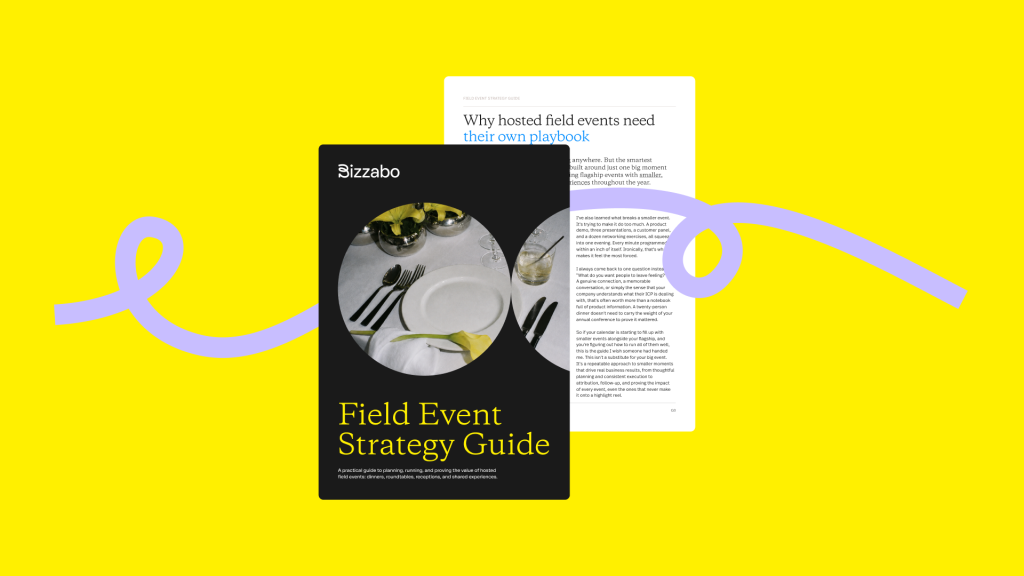
Take Virtual up a Notch With Bizzabo’s Virtual Event Production Kit
Feeling overwhelmed about planning your next big virtual event? Don’t be.
We created Bizzabo’s Virtual Event Production Kit to give event professionals like you exclusive access to the same virtual event templates that we use to promote our in-house events. This handy kit removes much of the heavy lifting from event planning and promotion, providing an easily accessible model that teams can use to ensure success.
Planning a virtual event is never a walk in the park, but with a tested template, the process becomes much more manageable and enjoyable.
Ready to plan an unforgettable virtual event? Download your free Virtual Event Production Kit today.